
Slot Machines: Hack the Thrill, Not the Game
Introduction
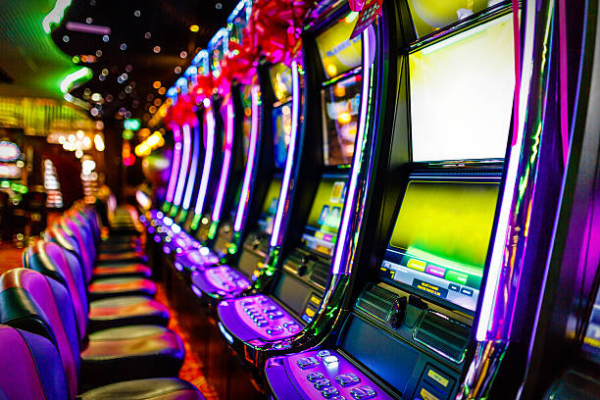
Okay, let’s be honest. That flashing, spinning reel magic of a slot machine can be ridiculously captivating. The anticipation, the near misses, the potential for a life-changing win – it’s a potent cocktail. But what happens when that thrill transforms from a fun pastime into something… more? Something that nibbles away at your savings, your time, and maybe even your peace of mind?
We’re not here to demonize slot machines. They’re designed to be entertaining, and for many, they are. However, the line between harmless entertainment and a potentially problematic habit can be blurry. This article isn’t about finding loopholes to beat the house (spoiler alert: you can’t, ethically or reliably). Instead, we’re diving into how to “hack” the *thrill* itself, regaining control and ensuring slots remain a source of amusement, not anxiety.
Explanation of the Problem
Think about the last time you played slots. How did you feel *during* the game? Invigorated? Anxious? Maybe a little of both? Now, how did you feel *after* you stopped playing? Did you walk away feeling content with the entertainment value you received? Or were you chasing losses, feeling guilty, or experiencing a nagging sense of unease?
The immediate consequences of uncontrolled slot play can be surprisingly impactful. It’s not just about the money lost (though that’s a major factor). It’s the stress, the frustration, the potential arguments with loved ones, and the feeling of being “sucked in.” These short-term effects can ripple outwards, impacting your mood, your relationships, and your ability to focus on other aspects of your life. Imagine missing a crucial deadline at work because you were too busy trying to recoup losses from the night before. Or neglecting family responsibilities because you were chasing that “one big win.”
Now, let’s fast forward. What happens if these short-term patterns continue?
Financially, uncontrolled spending can lead to debt, damaged credit scores, and even financial ruin. Relationships can suffer irreparable damage as trust erodes and communication breaks down. Your mental and physical health can also take a hit. Stress, anxiety, and depression are common companions for those struggling with problematic gambling. Sleep patterns can be disrupted, and you may even experience physical symptoms like headaches or stomach problems.
Perhaps the most insidious long-term effect is the erosion of personal control. The more you play, the more your brain can become wired to seek that dopamine rush, making it increasingly difficult to resist the urge to spin the reels. This can lead to a feeling of helplessness and a loss of agency over your own life.
Solutions
So, how do you regain control and “hack” the thrill? Here are several practical and easily understood solutions:
- The Budget Blueprint: This is fundamental. Treat slot play like any other form of entertainment and allocate a specific budget for it. Once that budget is gone, you’re done. No exceptions. Think of it as paying for a movie ticket – once the movie is over, you don’t demand a refund if you didn’t particularly like it.
- Example: Decide you’re comfortable spending $50 on slots this weekend. Withdraw that amount in cash and leave your cards at home. When the cash is gone, it’s time to stop.
- The Time Lock: Set time limits for your slot sessions. Whether it’s 30 minutes, an hour, or whatever feels right for you, stick to it. Use a timer on your phone or watch to keep track.
- Example: Before you even start playing, set a timer for 45 minutes. When it goes off, cash out, even if you’re “on a roll.” This prevents you from chasing losses or getting caught up in the moment.
- The Emotional Thermostat: Pay attention to your emotions while you’re playing. Are you feeling anxious, stressed, or angry? These are red flags that it’s time to stop. Slot machines should be a source of enjoyment, not a coping mechanism for negative emotions.
- Case Study: A friend realized she was only playing slots when she felt stressed at work. By identifying this trigger, she could proactively address her stress in healthier ways, reducing her desire to gamble.
- The Replacement Ritual: Find alternative activities to fill the time and emotional needs that slots might be fulfilling. This could be anything from exercise and hobbies to spending time with loved ones or pursuing creative interests.
- Example: Instead of heading to the casino after work, try joining a recreational sports team or volunteering at a local charity.
- The Support System: Talk to someone you trust about your concerns. Whether it’s a friend, family member, or therapist, having someone to confide in and hold you accountable can make a huge difference.
- Resource: Organizations like Gamblers Anonymous offer support groups and resources for individuals struggling with problem gambling.
- The Self-Exclusion Option: Most casinos offer self-exclusion programs that allow you to ban yourself from their premises for a set period. This can be a powerful tool for breaking the cycle of addiction.
- Note: Self-exclusion is a serious step, but it can be incredibly effective for those who need it.
These solutions are not one-size-fits-all. Here are a few alternative approaches to consider:
- The “Reverse Budget”: Instead of allocating money for slots, allocate it for something else you enjoy. Every time you resist the urge to play, put that money towards a bigger goal, like a vacation or a new gadget.
- The Accountability Partner: Find a friend or family member who is willing to help you stay on track. Check in with them regularly and be honest about your progress.
- The Mindfulness Method: Practice mindfulness techniques to become more aware of your thoughts and feelings surrounding slot play. This can help you identify triggers and develop coping mechanisms.
Conclusion
Taking control of your relationship with slot machines is not about deprivation. It’s about empowerment. It’s about ensuring that they remain a source of entertainment, not a source of stress or anxiety. By implementing these strategies and tailoring them to your individual needs, you can reclaim your time, your money, and your peace of mind.
The journey may not always be easy, but it’s a journey worth taking. Remember, you have the power to hack the thrill, not the game. You have the power to choose a future where slots are just one small part of a rich and fulfilling life. Take that first step today. You’ve got this.