Slot Games: Spin to Win or Spin to Lose It All?
Introduction
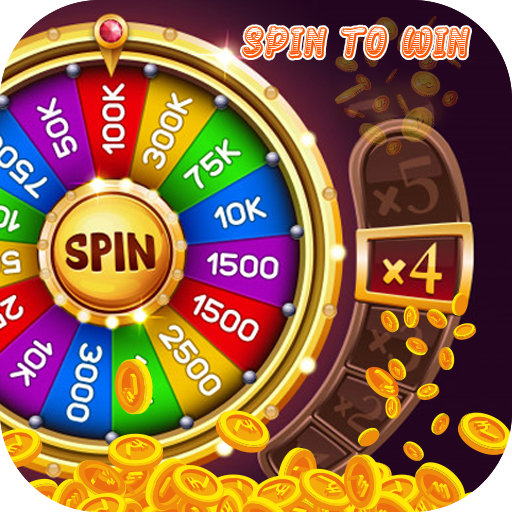
Picture this: the flashing lights, the vibrant colors, the tantalizing sounds of coins clinking – it’s the siren song of slot games, beckoning you closer with the promise of instant riches. But beneath the glitz and glamour, lies a complex reality: are slot games a harmless source of entertainment, or a slippery slope leading to potential financial and emotional ruin?
We’ve all seen it, or maybe even experienced it firsthand. The thrill of the spin, the anticipation as the reels align, and the momentary euphoria of a win. Slot games offer a unique blend of simplicity and excitement, making them incredibly appealing to a wide audience. But like any form of gambling, they come with inherent risks that need to be understood and addressed. Let’s dive into the potential pitfalls and explore practical strategies for keeping your engagement with slot games fun, safe, and sustainable.
The Allure of the Spin: Short-Term Thrills, Long-Term Risks
The immediate attraction of slot games is undeniable. They provide instant gratification, a quick escape from reality, and the tantalizing possibility of a significant payout. The near misses – those moments when the reels almost align perfectly – keep players hooked, fostering a sense of hope and the belief that the next spin will be the big one.
However, the short-term thrills can quickly lead to long-term consequences. The ease of access, especially with the rise of online casinos, makes it incredibly easy to overspend. Before you know it, that initial budget of “just a few dollars” can balloon into a significant sum, leaving you with feelings of guilt, anxiety, and regret.
The psychological impact can be just as damaging. The addictive nature of slot games stems from the release of dopamine in the brain, creating a cycle of craving and reward. Over time, this can lead to compulsive gambling behavior, impacting relationships, work, and overall well-being.
Consider the story of Sarah, a young professional who initially saw slot games as a harmless way to unwind after a stressful day. She started small, but the occasional wins fueled her desire to play more. Soon, she was spending hours online, chasing losses, and neglecting her responsibilities. The situation escalated quickly, leading to debt, strained relationships, and ultimately, the need for professional help. Sarah’s story is a cautionary tale, highlighting the potential for even casual gambling to spiral out of control.
Breaking the Cycle: Practical Solutions for Responsible Gaming
The good news is that there are numerous strategies you can implement to ensure that your engagement with slot games remains a source of entertainment, not a source of stress.
- Budgeting and Time Limits: Setting Clear Boundaries
The cornerstone of responsible gaming is establishing clear boundaries. Before you even start playing, decide on a specific budget you’re comfortable losing. This should be an amount that won’t impact your essential expenses or financial obligations. Once you’ve reached your limit, stop playing, regardless of whether you’re winning or losing.
Similarly, set a time limit for your gaming sessions. This will help you avoid getting caught up in the moment and losing track of time and money. Use a timer or set reminders to ensure you stick to your predetermined limits.
Example: John, a retiree, enjoys playing slot games occasionally. He allocates a fixed amount from his entertainment budget each month for this purpose. He also sets a timer for one hour per session. This allows him to enjoy the games without jeopardizing his financial security or spending excessive amounts of time gambling.
- Understanding the Odds: Knowledge is Power
Slot games are designed to be profitable for the casino. The house always has an edge, meaning that over time, you’re more likely to lose than win. Understanding this fundamental principle is crucial for managing your expectations.
Research the Return to Player (RTP) percentage of different slot games. RTP represents the percentage of wagered money that a game is expected to pay back to players over time. Choose games with higher RTP percentages, as they offer a slightly better chance of winning. However, remember that even with a high RTP, there’s no guarantee of a profit.
Example: Comparing two slot games, one with an RTP of 92% and another with an RTP of 96%, the latter offers a slightly better chance of winning in the long run. However, it’s essential to remember that RTP is a theoretical average, and individual results can vary significantly.
- Recognizing the Signs of Problem Gambling: Early Intervention is Key
Being aware of the warning signs of problem gambling is crucial for early intervention. Some common signs include:
- Spending more money or time on gambling than intended.
- Borrowing money or selling possessions to gamble.
- Lying to family and friends about gambling activities.
- Feeling restless or irritable when trying to cut down or stop gambling.
- Chasing losses – trying to win back money that has been lost.
- Neglecting responsibilities due to gambling.
If you recognize any of these signs in yourself or someone you know, it’s important to seek help. Numerous resources are available, including support groups, therapy, and self-help programs.
- Seeking Alternative Entertainment: Diversifying Your Activities
Gambling should not be your only source of entertainment. Explore other hobbies and activities that you enjoy. This will help you reduce your reliance on slot games and find alternative ways to relax and unwind.
Example: Instead of playing slot games after work, try going for a walk, reading a book, spending time with loved ones, or pursuing a creative hobby. Diversifying your activities will not only reduce your gambling frequency but also enhance your overall well-being.
- Utilizing Self-Exclusion Programs: A Powerful Tool for Control
Many casinos and online gambling platforms offer self-exclusion programs, which allow you to voluntarily ban yourself from their services. This can be a powerful tool for individuals struggling with problem gambling, providing a barrier against temptation.
Example: If you find yourself repeatedly exceeding your budget or spending excessive amounts of time playing slot games online, consider enrolling in a self-exclusion program offered by the online casino. This will prevent you from accessing their services for a specified period, giving you time to break the cycle of addiction.
Choosing the Right Path: Tailoring Solutions to Your Needs
The strategies outlined above offer a range of options for managing your engagement with slot games. The best approach will depend on your individual circumstances and level of risk.
- For casual players: Budgeting, time limits, and understanding the odds are sufficient to maintain a healthy balance.
- For individuals at risk of problem gambling: Seeking professional help, utilizing self-exclusion programs, and diversifying entertainment activities are crucial steps.
- For individuals with existing gambling problems: Immediate intervention, including therapy, support groups, and self-exclusion, is essential for recovery.
Spinning Towards a Brighter Future: Taking Control of Your Choices
The world of slot games can be both captivating and treacherous. By understanding the risks, setting clear boundaries, and utilizing the available resources, you can enjoy the thrill of the spin without jeopardizing your financial or emotional well-being. Remember, you have the power to control your choices and create a sustainable relationship with gaming. Take action today to ensure that your engagement with slot games remains a source of entertainment, not a source of regret. The key is awareness, proactive management, and a commitment to responsible gaming. You can spin towards a brighter future, one where entertainment enhances your life, instead of detracting from it.