 <
<
Casino Games: Unleash Your Luck or Lose it All?
Introduction
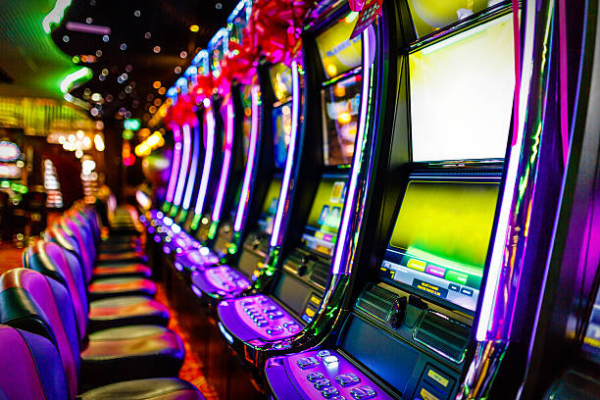
The flashing lights, the clatter of chips, the electric atmosphere – casinos hold a magnetic pull. Whether it’s the dream of hitting the jackpot or the simple thrill of the game, casino games are a popular pastime for millions. But behind the glitz and glamour lies a crucial question: Are you unleashing your luck, or setting yourself up to lose it all?
This isn’t about moralizing; it’s about empowering you to make informed decisions. We’ll delve into the allure of casino games, explore the potential pitfalls, and equip you with practical strategies to enjoy the experience responsibly, maximizing your chances of entertainment while minimizing the risk of financial hardship.
The Allure of the Gamble: Why We Play
Let’s face it, casino games are designed to be enticing. The near-misses in slot machines, the strategic thinking in poker, the anticipation of the roulette wheel – they all trigger dopamine releases in the brain, creating a sense of excitement and reward. This, combined with the promise of substantial winnings, forms a potent cocktail that can be hard to resist.
Furthermore, casinos offer a social element. Gathering with friends, celebrating wins (and commiserating over losses), and the camaraderie around a craps table contribute to the overall experience. For some, it’s a form of entertainment, a night out on the town with a chance to escape the everyday grind.
However, the allure can quickly turn into an addiction. The constant pursuit of the next win, the feeling of invincibility after a lucky streak, and the desire to recoup losses can lead down a dangerous path.
The Short-Term Sting and the Long-Term Bleed: Understanding the Risks
The immediate impact of irresponsible gambling can range from a dent in your entertainment budget to a significant financial setback. Imagine blowing your entire week’s paycheck in a single night – the stress, the regret, and the immediate consequences can be devastating.
But the long-term ramifications are often far more insidious. Problem gambling can lead to:
- Debt and Financial Ruin: Chasing losses can quickly spiral into accumulating debt, impacting your credit score, your ability to secure loans, and even your housing situation.
- Relationship Strain: Secrets, lies, and financial stress can erode trust and damage relationships with family and friends.
- Mental Health Issues: Problem gambling is often linked to depression, anxiety, and other mental health conditions.
- Job Loss: Spending work hours gambling, neglecting responsibilities, or even stealing to fund your habit can lead to unemployment.
Consider the story of Sarah, a single mother who initially enjoyed playing slots as a way to unwind after a long day. She started small, but the occasional win fueled her desire to play more. Soon, she was spending more than she could afford, racking up credit card debt and neglecting her responsibilities. Her relationships suffered, and she eventually lost her job. Sarah’s story is a stark reminder of the devastating consequences of unchecked gambling.
Unlocking Responsible Play: Practical Strategies for Enjoying Casino Games
The good news is that you can enjoy casino games responsibly and avoid the pitfalls of problem gambling. Here are several strategies you can implement:
- Set a Budget and Stick to It:
This is the cornerstone of responsible gambling. Before you even step foot in a casino or log onto an online platform, decide how much you’re willing to spend – and treat that money as entertainment expenses, not an investment opportunity. Use a separate account or prepaid card for your gambling budget to avoid dipping into essential funds. Once your budget is gone, stop playing, regardless of whether you’re winning or losing.
Example: Decide you can spend $100 on a casino night. Once that $100 is gone, leave the casino, even if you’ve won $500. Resist the urge to “play with the house’s money.”
- Set Time Limits:
Casinos are designed to keep you playing for as long as possible. It’s easy to lose track of time in the immersive environment. Set a timer on your phone or watch and stick to it. Taking regular breaks to step away from the games, clear your head, and reassess your budget can help prevent impulsive decisions.
- Understand the Odds:
Casino games are designed to favor the house. Familiarize yourself with the odds of each game before you play. For instance, blackjack offers relatively better odds than slot machines if you play strategically. Understanding the odds can help you make informed decisions and avoid chasing unrealistic expectations.
- Choose Games Wisely:
Some games offer better odds and more control than others. Table games like blackjack and poker require skill and strategy, giving you a better chance of influencing the outcome. Slot machines, on the other hand, are largely based on luck. Consider playing games that allow you to exercise some control and potentially improve your chances of winning.
- Avoid Chasing Losses:
This is a critical rule. Don’t try to recoup losses by betting more. This often leads to a downward spiral where you end up losing even more money. Accept your losses, learn from your mistakes, and move on. Remember, gambling should be entertainment, not a desperate attempt to recover lost funds.
- Recognize the Signs of Problem Gambling:
Be aware of the warning signs of problem gambling, such as spending more than you can afford, lying to family and friends about your gambling habits, neglecting responsibilities, and experiencing withdrawal symptoms when you try to stop. If you recognize these signs in yourself or someone you know, seek help immediately.
- Seek Support When Needed:
There are numerous resources available for individuals struggling with problem gambling. Organizations like Gamblers Anonymous and the National Council on Problem Gambling offer support groups, counseling, and other resources. Don’t hesitate to reach out for help if you need it.
Alternative Approaches: Finding What Works for You
Beyond these core strategies, consider these alternative approaches:
- Self-Exclusion Programs: Many casinos offer self-exclusion programs that allow you to ban yourself from their premises. This can be a helpful option for individuals who struggle to control their gambling urges.
- Gambling Therapy: Online and in-person therapy can provide you with coping mechanisms and strategies for managing your gambling behavior.
- Alternative Activities: Find alternative activities that provide you with the same excitement and relaxation without the financial risk. Hobbies, sports, and social activities can offer a healthier and more fulfilling outlet.
Conclusion: Take Control and Enjoy the Game
Casino games can be an enjoyable form of entertainment if approached responsibly. By setting a budget, understanding the odds, and recognizing the signs of problem gambling, you can take control of your experience and avoid the pitfalls of addiction. Remember, the key is to treat gambling as a form of entertainment, not a source of income.
Don’t let the allure of the casino control you. Empower yourself with knowledge, implement practical strategies, and seek support when needed. You can enjoy the thrill of the game without sacrificing your financial well-being and personal relationships. The power to unleash your luck – or choose not to play at all – rests entirely in your hands. Take action today and start enjoying casino games responsibly!