
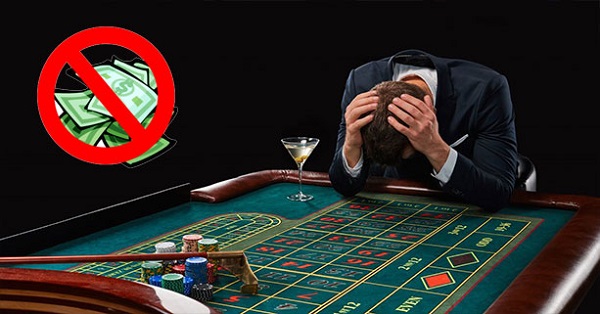
Casino Games: Risk It All or Walk Away?
Introduction
The flashing lights, the clatter of chips, the electric hum of anticipation – stepping into a casino is like entering a different world. A world where fortunes can be made (or lost) in the blink of an eye. But beyond the immediate thrill, casino games present a fundamental question: When do you risk it all, and when do you walk away? This isn’t just about winning and losing; it’s about understanding the game, yourself, and the potential consequences – both short-term and long-term.
The Allure of the Immediate: A Shot of Dopamine
Let’s be honest, the short-term appeal of casino games is undeniable. That rush you feel when the roulette ball lands on your number, the satisfying click of the slots aligning just right, the triumphant call of “Blackjack!” – it’s a potent cocktail of excitement and hope. Our brains are wired to crave rewards, and winning, even small amounts, releases dopamine, the neurotransmitter associated with pleasure and motivation. This immediate gratification can be incredibly addictive, making it difficult to walk away, even when logic dictates that you should.
Think about it: You’ve had a rough week at work, bills are piling up, and you just need a little something to brighten your spirits. A quick trip to the casino feels like a viable solution. Maybe you’ll hit the jackpot and solve all your problems! The short-term promise of relief and instant wealth can be intoxicating, often overshadowing the more rational part of our minds.
The Long Game: More Than Just Money on the Table
However, the long-term impact of uncontrolled casino gaming can be significantly more damaging than just financial losses. Think beyond the immediate sting of a lost bet and consider the potential ripple effects:
- Financial Strain: The obvious consequence is debt accumulation. Chasing losses, betting beyond your means, and neglecting essential expenses can quickly lead to a downward spiral.
- Relationship Damage: Secrets, lies, and financial stress caused by gambling can erode trust and lead to conflict with loved ones.
- Mental Health Issues: Problem gambling is often linked to anxiety, depression, and even suicidal thoughts. The constant stress of chasing losses and the feelings of guilt and shame can take a heavy toll on mental well-being.
- Missed Opportunities: Time and energy spent gambling could be invested in more productive and fulfilling activities, such as education, career development, or building meaningful relationships.
These are not abstract concerns. The National Council on Problem Gambling estimates that 2-3 million U.S. adults meet the criteria for problem gambling. The long-term costs, both personal and societal, are substantial.
Walking the Tightrope: Strategies for Responsible Gaming
So, how do you enjoy the thrill of casino games without succumbing to the potential pitfalls? Here are several practical strategies you can implement:
- The Budget Blueprint: Know Your Limits
This is the cornerstone of responsible gaming. Before you even set foot in a casino, determine a fixed budget you are comfortable losing. This amount should be disposable income, not money earmarked for essential expenses like rent, bills, or groceries. Once you reach that limit, stop playing, regardless of whether you’re winning or losing.
- Practical Tip: Consider using a separate bank account or prepaid card specifically for your gambling budget. This makes it easier to track your spending and avoid dipping into funds you can’t afford to lose.
- The Time Warden: Set Time Constraints
Just as important as setting a financial limit is setting a time limit. It’s easy to lose track of time in the casino’s immersive environment. Decide beforehand how long you’ll play and stick to it. Setting an alarm on your phone can be a helpful reminder.
- Example: “I’ll play for two hours, starting at 8 PM. When the alarm goes off at 10 PM, I’m done, win or lose.”
- The Game Plan: Understand the Odds
Not all casino games are created equal. Some offer better odds than others. Understanding the house edge – the statistical advantage the casino has over the player – is crucial. Games like Blackjack and Baccarat, played with optimal strategy, generally have a lower house edge than slots or Keno.
- Case Study: John, a recreational gambler, used to primarily play slot machines. After learning about the house edge, he switched to Blackjack and learned basic strategy. While he didn’t suddenly become a professional player, he found that his money lasted longer, and he felt more in control.
- The Emotional Shield: Recognize Your Triggers
Pay attention to your emotional state while gambling. Are you feeling stressed, anxious, or bored? These emotions can cloud your judgment and lead to impulsive decisions. If you find yourself chasing losses or betting more than you intended, it’s time to take a break or walk away completely.
- Alternative Approach: Before you even head to the casino or play online, identify the emotions that might trigger overspending. When you’re feeling stressed or angry, opt for alternative stress management activities, like exercise or talking to a friend.
- The Support Network: Don’t Go It Alone
Gambling can be a solitary activity, but it doesn’t have to be. Talk to trusted friends or family members about your gambling habits. Having someone to hold you accountable can make it easier to stick to your limits. If you’re struggling to control your gambling, consider seeking professional help. Organizations like Gamblers Anonymous offer support groups and resources for individuals with problem gambling.
- Practical Solution: Plan your casino trips with a friend who can keep you accountable for your spending and playing time. Or, just let someone know when you will be going and how long you plan to play.
- The Diversion Strategy: Have Alternative Activities
The best way to avoid overspending is to have many other hobbies that you enjoy doing. This is another way to help not be dependent on gambling to have fun. This will not only help reduce your time at the casino but also enhance your creativity and emotional well-being.
- The Self-Exclusion Technique: Take Some Time Off
If you find it difficult to control your gambling, most casinos offer self-exclusion programs. These programs allow you to voluntarily ban yourself from the casino for a specified period, ranging from a few months to several years. This can be a valuable tool for breaking the cycle of addiction.
Walking Away: A Sign of Strength, Not Weakness
Ultimately, the ability to walk away is a sign of strength, not weakness. It demonstrates self-control, discipline, and a recognition of the potential risks involved. Remember, casino games are designed to be entertaining, but they are not a reliable source of income or a solution to financial problems.
Conclusion: Taking Control of Your Game
Casino games can be an enjoyable form of entertainment, but it’s crucial to approach them with awareness and responsibility. By understanding the short-term allure and the long-term risks, setting clear boundaries, and seeking support when needed, you can enjoy the thrill of the game without jeopardizing your financial well-being, relationships, or mental health. It’s about taking control of your game, not letting the game control you. Remember, the real victory isn’t always about winning at the casino; it’s about winning at life. So, go ahead, try your luck, but always be prepared to walk away. You have the power to make informed decisions and create a life filled with more than just fleeting moments of chance. The odds are in your favor when you prioritize your well-being above all else.