
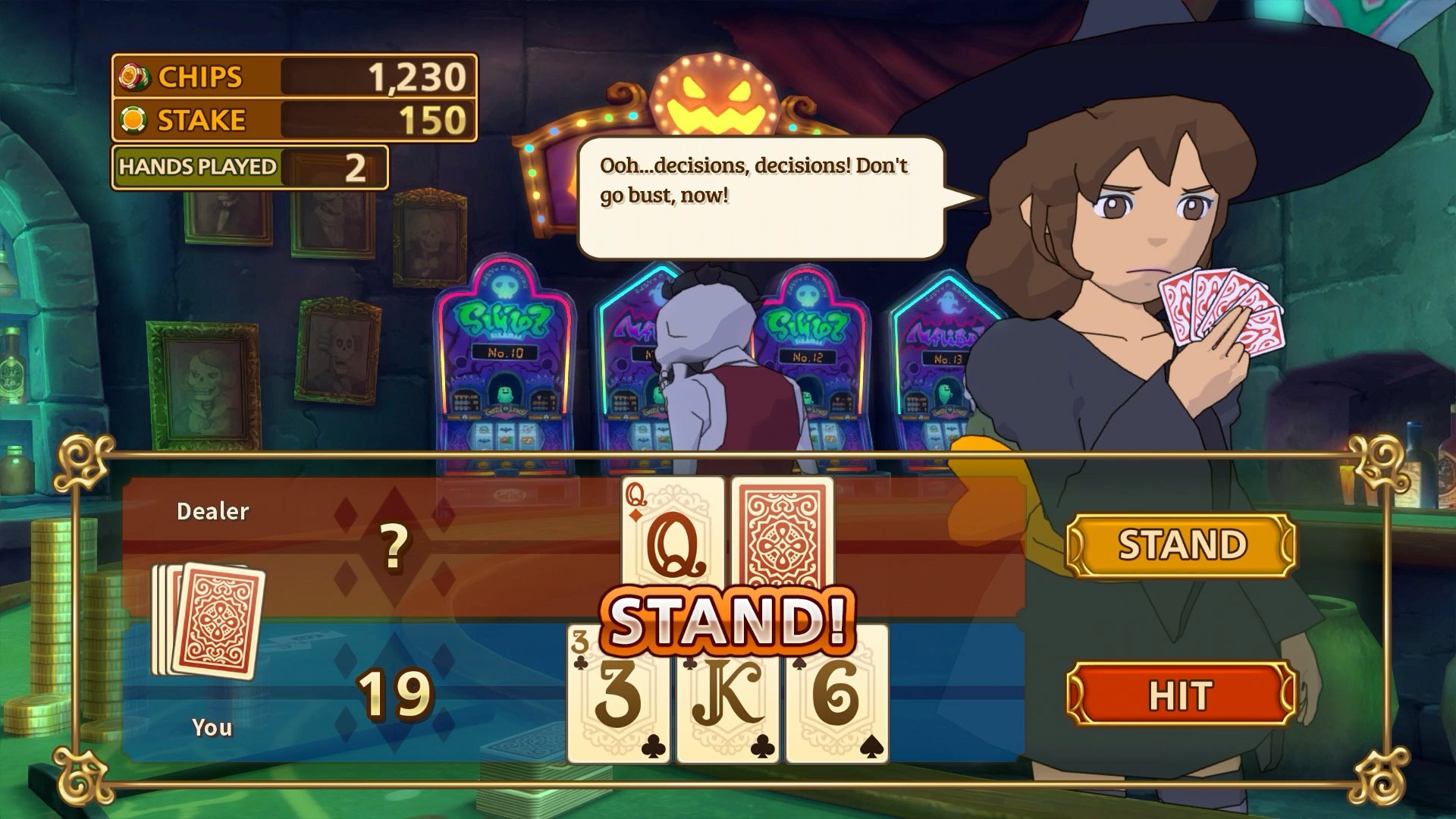
Casino Games: Risk It All, Win It All
Introduction
The flashing lights, the clatter of chips, the palpable tension – walking into a casino is a sensory overload unlike any other. It’s a place where fortunes can be made, and just as easily, lost. The allure of “Risk It All, Win It All” is a powerful magnet, drawing in millions with the promise of instant riches and thrilling entertainment. But behind the glitz and glamour lies a complex reality, one that demands careful consideration and responsible engagement. Let’s dive into the world of casino games, exploring both the short-term excitement and the long-term implications, and most importantly, how to navigate this landscape with your wits (and wallet) intact.
The Alluring Gamble: Short-Term Thrills & Potential Pitfalls
The immediate draw of casino games is undeniable. The adrenaline rush of placing a bet, the anticipation as the roulette wheel spins, the elation (or despair) when the cards are revealed – these are powerful emotions that keep players glued to their seats. For many, it’s a form of entertainment, a way to spice up a night out, or a chance to momentarily escape the mundane.
Short-term wins are a powerful reinforcement, creating a feedback loop that can be difficult to break. A lucky streak can feel intoxicating, fueling the belief that you’ve cracked the code, that fortune is on your side. This is where the danger lies. The “gambler’s fallacy” – the mistaken belief that past events can influence future outcomes in random events – can lead to increasingly reckless bets.
On the flip side, short-term losses can be equally damaging. The urge to recoup losses, to “win back” what you’ve lost, can lead to chasing bets, a spiral that often results in even greater financial strain. The pressure to recover can override rational decision-making, leading to impulsive behavior and a breakdown of responsible boundaries.
The Long Game: When Entertainment Turns to Problematic Behavior
While the occasional trip to the casino can be a harmless pastime, the long-term implications of frequent gambling can be far more serious. The key here is recognizing the difference between recreational gambling and problematic gambling.
The long-term impact of compulsive gambling can be devastating, affecting not only finances but also relationships, mental health, and overall quality of life. Financial ruin is a common consequence, as accumulated losses can lead to debt, bankruptcy, and the loss of assets. This financial stress often spills over into personal relationships, causing strain, conflict, and even separation from loved ones.
Beyond the financial and relational burdens, problematic gambling can also have a significant impact on mental health. Increased stress, anxiety, and depression are common among problem gamblers. The constant pursuit of wins, the regret of losses, and the secrecy surrounding gambling habits can create a toxic cycle that isolates individuals and erodes their sense of self-worth.
The social impact is also undeniable. Problem gamblers may withdraw from social activities, neglecting responsibilities and isolating themselves from friends and family. This isolation can further exacerbate mental health issues and contribute to a downward spiral.
Taking Control: Practical Solutions for Responsible Gambling
So, how do you enjoy the thrill of casino games without succumbing to the potential pitfalls? The key is to approach gambling with awareness, discipline, and a clear understanding of the risks involved. Here are some practical solutions for responsible gambling:
- Set a Budget and Stick to It: Before you even set foot in a casino or log onto an online platform, decide how much you’re willing to spend – and more importantly, how much you can afford to lose. Treat this money as entertainment expenses, not as an investment opportunity. Once you’ve reached your limit, stop gambling, regardless of whether you’re winning or losing.
- Example: Imagine you allocate $100 for a night at the casino. Once that $100 is gone, you leave. No exceptions.
- Set a Time Limit: Time flies when you’re having fun (or trying to win back your losses). Setting a time limit helps prevent you from getting caught up in the moment and spending more time and money than you intended.
- Practical Tip: Set an alarm on your phone to remind you when it’s time to leave.
- Avoid Chasing Losses: This is perhaps the most crucial rule of responsible gambling. The urge to win back losses is a powerful trap that can lead to financial ruin. Remember, each bet is independent, and past losses have no bearing on future outcomes. If you’re on a losing streak, accept it, learn from it, and walk away.
- Understand the Odds: Casino games are designed to give the house an edge. While some games offer better odds than others, the house always has an advantage in the long run. Understanding these odds can help you manage your expectations and avoid falling into the trap of believing you can consistently beat the system.
- Example: Games like Blackjack, when played with optimal strategy, offer better odds than games like slot machines, which are largely based on chance.
- Take Breaks and Stay Sober: Gambling under the influence of alcohol or drugs can impair your judgment and lead to impulsive decisions. Take regular breaks to clear your head, and avoid drinking excessively or using drugs while gambling.
- Seek Help if Needed: If you feel like your gambling is becoming problematic, don’t hesitate to seek help. Many resources are available, including support groups, counseling services, and helplines. Recognizing that you have a problem is the first step towards recovery.
- Example: Organizations like Gamblers Anonymous offer free support groups and resources for problem gamblers.
Alternative Approaches: Self-Exclusion and Professional Guidance
Beyond the individual strategies mentioned above, there are also more formal approaches to managing problematic gambling:
- Self-Exclusion Programs: Many casinos offer self-exclusion programs, which allow individuals to voluntarily ban themselves from the premises. This can be a helpful tool for those who struggle to control their gambling habits.
- Case Study: Some European countries require casinos to have the self-exclusion programs available.
- Professional Counseling: Therapists specializing in addiction can provide guidance and support for problem gamblers. Cognitive Behavioral Therapy (CBT) is a common approach used to address the underlying thoughts and behaviors that contribute to gambling addiction.
- Practical Tip: Look for therapists who are certified in addiction counseling.
A Winning Strategy: Knowledge, Discipline, and Self-Awareness
The world of casino games can be exhilarating, but it’s crucial to approach it with a healthy dose of caution and self-awareness. By understanding the risks involved, setting clear boundaries, and seeking help when needed, you can enjoy the thrill of the game without jeopardizing your financial well-being or mental health.
The “Risk It All, Win It All” mentality can be enticing, but the reality is that responsible gambling is about managing risk, not eliminating it entirely. It’s about finding a balance between entertainment and self-control, and recognizing that the true victory lies not in hitting the jackpot, but in maintaining a healthy and fulfilling life. So, go ahead, enjoy the excitement – but always remember to gamble responsibly. You have the power to control your destiny, one bet at a time.