
Hooked on Wins: The Online Fishing Game Craze
Introduction
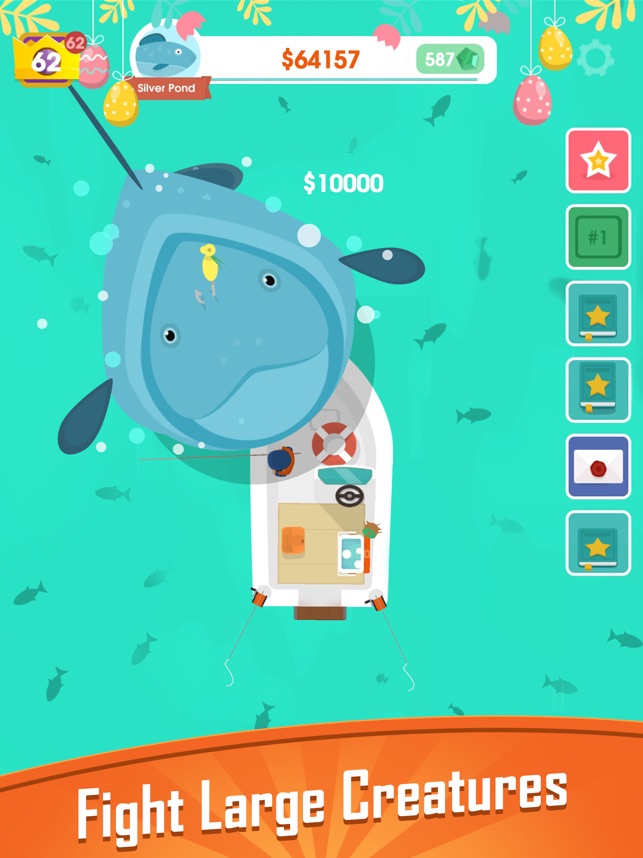
Ever found yourself mindlessly tapping away at your phone, chasing that next virtual catch? Maybe you’ve sunk hours into an online fishing game, lured in by the promise of bigger fish, better gear, and the sweet taste of digital victory. If so, you’re not alone. The online fishing game craze is real, and it’s reeling in players of all ages. But beneath the surface of shimmering waters and cartoonish sea creatures, a complex web of rewards, dopamine hits, and potential pitfalls lurks.
The Allure of the Virtual Hook
What makes these games so addictive? It’s a potent mix of factors, perfectly designed to keep us hooked:
- Instant Gratification: Unlike real-world fishing, which requires patience and skill, online fishing games offer instant rewards. A simple tap or click can land you a virtual trophy, triggering a surge of dopamine that reinforces the behavior.
- Progression and Customization: These games are built on progression systems. As you play, you level up, unlock new equipment, and customize your virtual angler. This constant sense of advancement keeps you invested and motivates you to keep playing.
- Social Interaction: Many online fishing games incorporate social elements, allowing you to compete with friends, join guilds, and participate in events. The desire to climb the leaderboards and prove your skills adds another layer of engagement.
- A Calming Escape: Let’s be honest, sometimes the repetitive nature of these games can be oddly soothing. The rhythmic casting, the gentle lapping of virtual waves, and the simple act of collecting can provide a temporary escape from the stresses of daily life.
Beyond the Game: Short-Term Thrills, Long-Term Consequences
While the occasional fishing game session might seem harmless, the cumulative effect of spending hours chasing virtual wins can have significant short-term and long-term consequences.
Short-Term Impacts:
- Time Displacement: Hours melt away as you focus on the game, leading to neglected responsibilities, missed opportunities, and strained relationships.
- Sleep Disruption: Playing late into the night can disrupt your sleep patterns, leading to fatigue, reduced cognitive function, and increased irritability.
- Physical Discomfort: Prolonged screen time can cause eye strain, headaches, and carpal tunnel syndrome.
Long-Term Impacts:
- Potential Addiction: For some individuals, the constant pursuit of virtual rewards can lead to compulsive behavior and addiction. This can have devastating effects on their personal and professional lives.
- Financial Strain: Some online fishing games encourage in-app purchases, allowing players to buy better equipment or boost their progress. Over time, these microtransactions can add up to a significant sum, leading to financial problems.
- Social Isolation: Spending excessive amounts of time playing online can lead to isolation from friends and family, resulting in feelings of loneliness and depression.
Casting a Line to Solutions: Reeling Yourself Back In
Recognizing the potential pitfalls of the online fishing game craze is the first step towards regaining control. Here are several practical solutions that can help you reel yourself back in:
- Awareness and Tracking:
- Use Screen Time Monitoring Tools: Utilize built-in features on your phone or third-party apps to track how much time you’re actually spending on these games. Seeing the numbers can be a real eye-opener.
- Keep a Journal: For a week, jot down each time you play, how long you play, and how you felt before and after. This helps identify triggers and patterns.
- Setting Limits and Boundaries:
- Designate “Game-Free” Zones and Times: Establish specific times of day or locations where you won’t play the game. For example, no playing after 9 pm or during mealtimes.
- Set Time Limits with Alarms: Use your phone’s timer to set a limit for each gaming session. When the alarm goes off, stop playing, no matter what.
- Communicate Your Boundaries: Let your friends and family know that you’re trying to reduce your screen time. This creates accountability and support.
- Finding Alternative Activities:
- Explore Real-World Hobbies: Rediscover old hobbies or try something new, like hiking, painting, or playing a musical instrument.
- Connect with Friends and Family: Spend quality time with loved ones, engaging in activities that don’t involve screens.
- Get Active: Exercise releases endorphins, which can improve your mood and reduce cravings for the game.
- Making Game Modifications:
- Turn Off Notifications: Reduce the temptation to play by disabling notifications from the game.
- Avoid In-App Purchases: Resist the urge to spend money on the game. This can help break the cycle of instant gratification.
- Unfollow Game-Related Social Media: Remove yourself from online communities that promote the game.
- Seeking Support:
- Talk to a Friend or Family Member: Share your concerns with someone you trust. They can provide support and encouragement.
- Join a Support Group: Connect with others who are struggling with similar issues. Sharing experiences can be incredibly helpful.
- Consider Professional Help: If you’re struggling to control your gaming habits on your own, consider seeking professional help from a therapist or counselor.
Case Study: From Virtual Angler to Active Adventurer
Consider the story of Mark, a 35-year-old accountant who found himself spending countless hours playing an online fishing game. He started playing to unwind after work, but soon it became an obsession. He neglected his hobbies, avoided social events, and even started calling in sick to work so he could play.
Realizing he had a problem, Mark decided to take action. He started by tracking his screen time and was shocked to discover he was spending over 40 hours a week playing the game. He then set strict time limits and turned off notifications.
The biggest change, however, came when Mark rediscovered his love for hiking. He started exploring local trails and joined a hiking group. The physical activity and social interaction helped him break free from his gaming addiction.
Today, Mark is an avid hiker and spends very little time playing online games. He credits his newfound passion for helping him regain control of his life.
Casting Off: A Brighter Horizon
The online fishing game craze can be a slippery slope, leading to wasted time, financial strain, and even addiction. But by recognizing the potential pitfalls and implementing practical solutions, you can regain control and cast off the virtual hook. It’s about finding balance, prioritizing real-world experiences, and rediscovering the joy of life beyond the screen.
Remember, you have the power to choose how you spend your time and energy. By taking small steps and making conscious choices, you can create a more fulfilling and meaningful life, free from the lure of the virtual reel. So, take a deep breath, put down your phone, and venture out into the real world. The adventure awaits!